


London’s Iconic Markets: A Journey Through the Capital’s Trading Heart
London’s markets are living, breathing testimonies to the city’s rich commercial heritage and cultural diversity. From medieval trading posts to modern artisanal havens, these bustling marketplaces offer far more than simple commerce they provide windows into London’s soul, where history, community, and creativity converge in spectacular fashion. Each market tells its own unique story while contributing to the magnificent tapestry that makes London one of the world’s great market cities.
Borough Market: The Gastronomic Crown Jewel
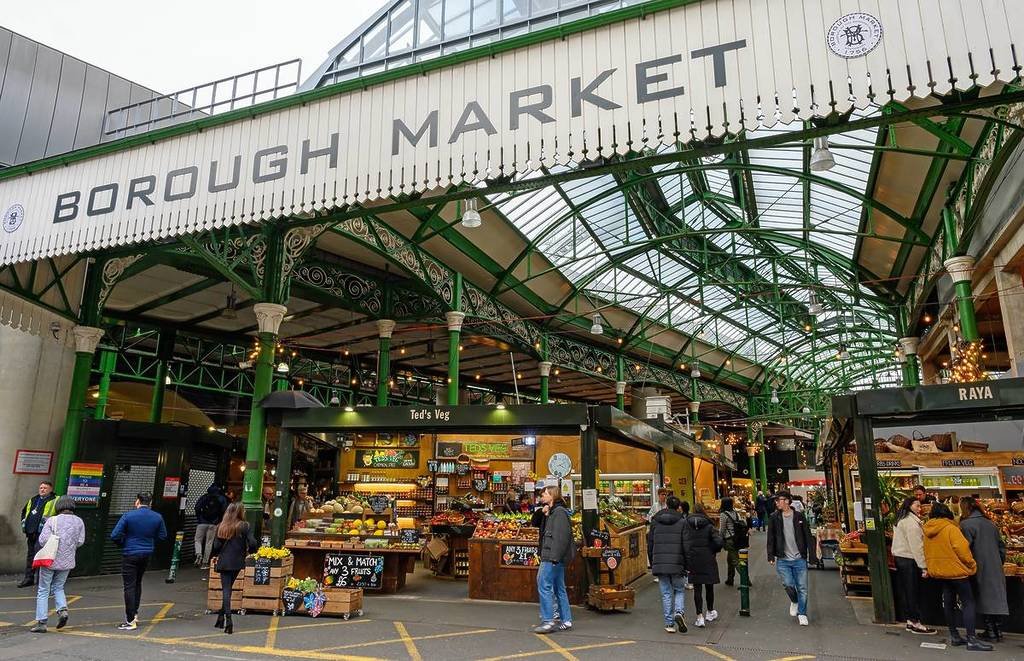
Standing majestically near London Bridge, Borough Market represents the pinnacle of London’s food scene and claims the distinction of being one of the oldest food markets in the world. With roots stretching back over 1,000 years, this Victorian-era covered market has evolved from a simple trading post for local farmers into a sophisticated epicurean destination that attracts food lovers from across the globe.
The market’s architectural splendor, featuring ornate Victorian ironwork and soaring glass ceilings, creates an almost cathedral-like atmosphere for the culinary pilgrimage that unfolds daily. Artisanal producers showcase everything from aged farmhouse cheeses and freshly baked sourdough to exotic spices and premium charcuterie. The famous Monmouth Coffee Company draws endless queues of caffeine devotees, while Neal’s Yard Dairy offers some of Britain’s finest artisanal cheeses.
Borough Market serves as more than a shopping destination it functions as a cultural institution where London’s culinary identity is both preserved and constantly reinvented. Celebrity chefs regularly source ingredients here, food writers find inspiration wandering its aisles, and ordinary Londoners discover extraordinary flavours that transform their understanding of good food.
Portobello Road Market: Antiques and Bohemian Spirit
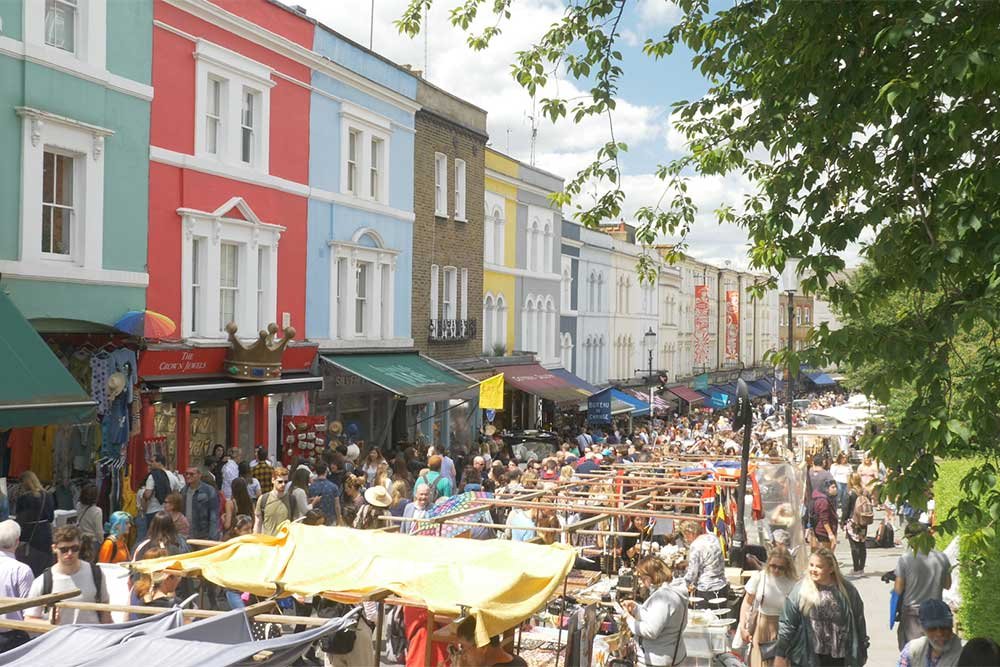
Stretching through the heart of Notting Hill, Portobello Road Market embodies London’s eclectic spirit and bohemian charm. This mile-long market transforms the neighborhood into a treasure hunter’s paradise every weekend, particularly on Saturdays when the full antiques market comes alive with dealers, collectors, and curious browsers seeking everything from Victorian jewelry to mid-century furniture.
The market’s reputation extends far beyond London’s borders, partly thanks to its starring role in films like “Notting Hill,” but its authentic character runs much deeper than cinematic fame. Established antique dealers with decades of experience work alongside newer vendors specializing in vintage clothing, rare books, and collectible vinyl records. The colorful Victorian houses that line the route provide a picture-perfect backdrop for this weekly celebration of British collecting culture.
Portobello Road’s influence on London’s cultural landscape cannot be overstated. It has served as a meeting place for artists, musicians, and writers, contributing to Notting Hill’s transformation from a working-class area to one of London’s most desirable neighborhoods. The market continues to attract creative individuals who appreciate its blend of history, commerce, and community spirit.
Camden Market: Alternative Culture’s Commercial Heart
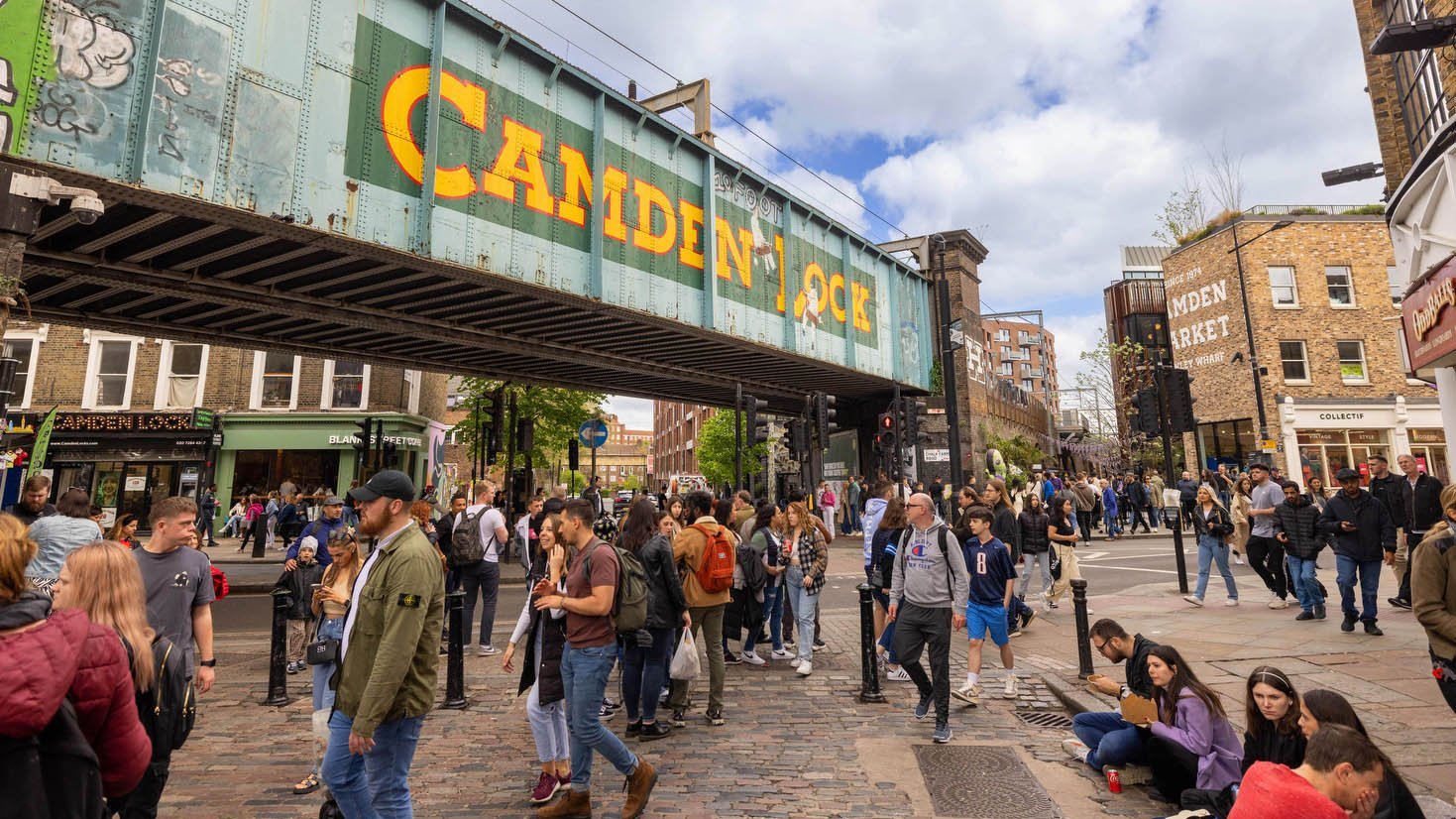
Camden Market stands as London’s most famous alternative marketplace, a sprawling complex of interconnected markets that has become synonymous with punk, goth, and alternative culture. From its humble beginnings as a small arts and crafts market in the 1970s, Camden has exploded into a massive commercial empire that attracts millions of visitors annually while maintaining its edgy, counter-culture identity.
The market complex encompasses several distinct areas, including Camden Lock Market, Stables Market, and Camden High Street Market, each offering its own unique atmosphere and specialties. Visitors can find everything from handmade leather goods and vintage band merchandise to exotic foods from around the world and unique fashion pieces that define London’s alternative scene.
Camden’s cultural significance extends beyond commerce into music history. Many legendary musicians, from punk pioneers to Britpop stars, have connections to the area, and the market continues to serve as a launching pad for emerging artists and designers. The eclectic mix of vendors, street performers, and diverse crowds creates an electric atmosphere that captures London’s creative energy in its most unfiltered form.
Covent Garden Market: Theatrical Commerce
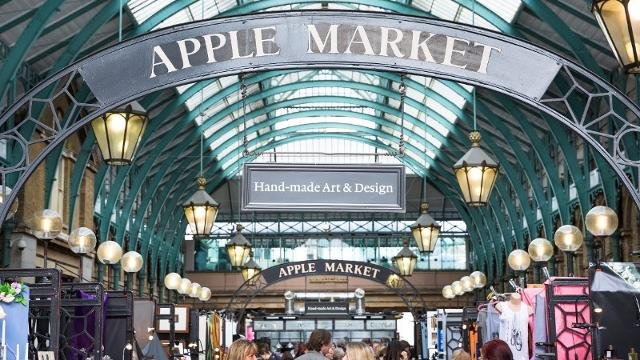
Covent Garden Market occupies a unique position in London’s market hierarchy, blending high-end shopping with world-class street entertainment in one of the city’s most historically significant locations. The market’s elegant neoclassical buildings, originally designed by Inigo Jones in the 17th century, house an sophisticated collection of boutiques, craft stalls, and artisanal food vendors.
The market’s theatrical setting seems appropriate given its location in London’s theater district. Professional buskers and street performers entertain crowds throughout the day, creating an atmosphere where commerce and culture seamlessly blend. The Apple Market, located in the historic market hall, specializes in British crafts, antiques, and collectibles, while the Jubilee Market offers a more casual browsing experience with a mix of clothing, accessories, and souvenirs.
Covent Garden’s transformation from London’s primary fruit and vegetable market to a refined shopping and entertainment destination reflects the broader evolution of London’s commercial districts. The market successfully balances tourist appeal with authentic local character, maintaining its role as a gathering place for both visitors and residents.
Greenwich Market: Maritime Heritage Meets Modern Craft
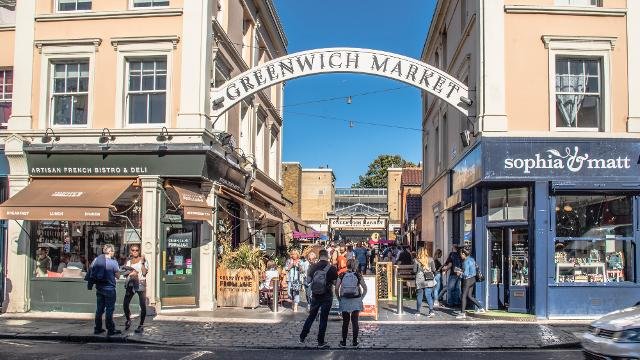
Nestled in the heart of Greenwich’s UNESCO World Heritage Site, Greenwich Market combines historical significance with contemporary artisanal excellence. The covered Victorian market building provides an intimate setting for some of London’s most talented craftspeople, artists, and food producers to showcase their work.
The market’s proximity to major attractions like the Cutty Sark, National Maritime Museum, and Royal Observatory creates a unique context where visitors can combine cultural exploration with market browsing. Local artisans specialize in handmade jewelry, original artwork, vintage clothing, and gourmet food products, many drawing inspiration from Greenwich’s rich maritime heritage.
Greenwich Market’s smaller scale compared to Camden or Portobello Road creates a more personal shopping experience where visitors often interact directly with the makers and creators behind the products. This intimate atmosphere, combined with the area’s stunning architecture and riverfront location, makes Greenwich Market a hidden gem that rewards those who venture south of the Thames.
Broadway Market: East London’s Foodie Haven
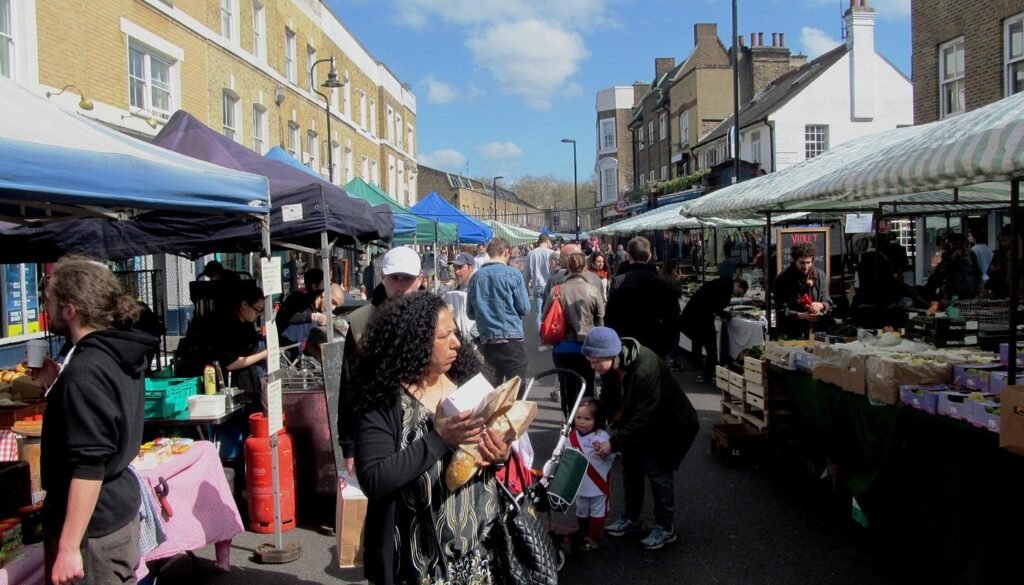
Saturday mornings in Hackney belong to Broadway Market, a vibrant food-focused market that has become a cornerstone of East London’s culinary renaissance. This relatively compact market punches well above its weight in terms of quality and innovation, attracting food enthusiasts from across London who appreciate its emphasis on local, sustainable, and artisanal products.
The market’s vendors reflect East London’s diverse, creative community, offering everything from freshly baked pastries and artisanal coffee to exotic street food and organic produce. Many stalls are run by young entrepreneurs and established food artisans who have chosen Broadway Market as their platform for sharing their passion with the community.
Broadway Market’s success demonstrates how traditional market culture can adapt and thrive in contemporary London. The market serves not just as a shopping destination but as a social hub where neighbors meet, families gather, and the local community strengthens its bonds over shared appreciation for good food and craftsmanship.
Brick Lane Market: Multicultural Trading Traditions
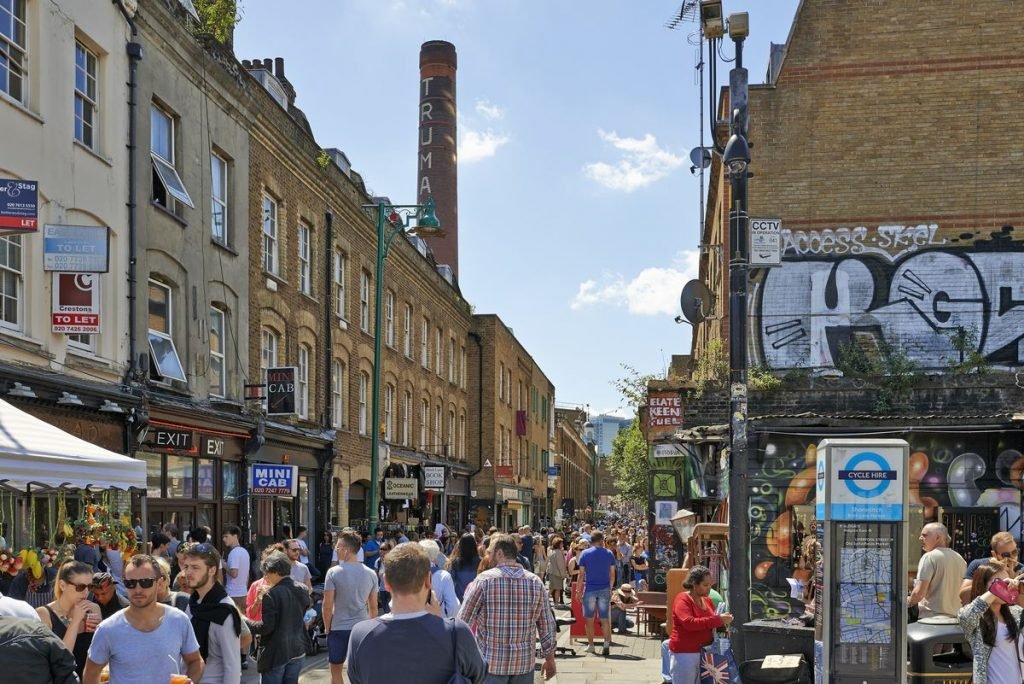
Brick Lane Market embodies London’s incredible cultural diversity, transforming every Sunday into a celebration of the global communities that call East London home. The market stretches along the famous Brick Lane, known for its curry houses and street art, creating a sensory experience that combines aromatic spices, colorful textiles, and the sounds of multiple languages.
The market’s vendors reflect the area’s rich immigration history, with particular strength in South Asian goods, vintage clothing, and unique finds that reflect the creativity of London’s multicultural communities. Visitors can discover everything from traditional textiles and handmade crafts to contemporary fashion and unusual antiques.
Brick Lane Market’s authentic multicultural character provides insight into how London’s markets serve as economic and social bridges for immigrant communities, offering platforms for entrepreneurship while enriching the broader cultural landscape of the city.
Old Spitalfields Market: Historic Elegance Revived
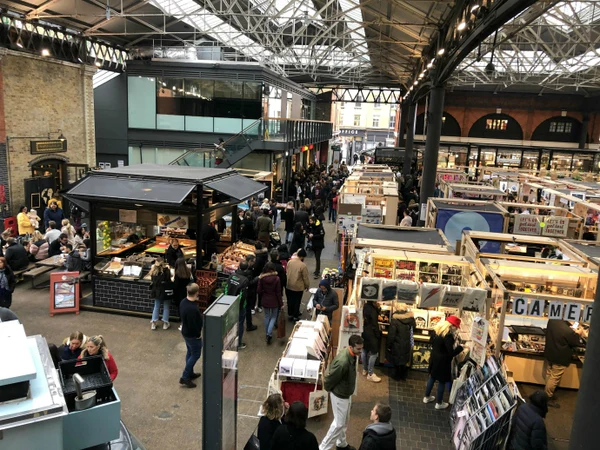
Old Spitalfields Market successfully bridges London’s commercial past and present within the elegant confines of a beautifully restored Victorian market hall. Located in the heart of the City fringe, this market has maintained its historical character while adapting to serve contemporary London’s desire for unique, high-quality goods.
The market operates on different schedules throughout the week, with antiques and vintage goods dominating certain days while fashion, crafts, and food take precedence on others. This rotating focus allows the market to serve multiple communities and interests while maintaining the intimate atmosphere that makes browsing such a pleasure.
Spitalfields’ architectural beauty, combined with its carefully curated selection of vendors, creates a shopping experience that feels both sophisticated and authentic. The market demonstrates how London’s historic commercial spaces can be preserved and revitalized without losing their essential character.
Columbia Road Flower Market: Sunday Morning Poetry
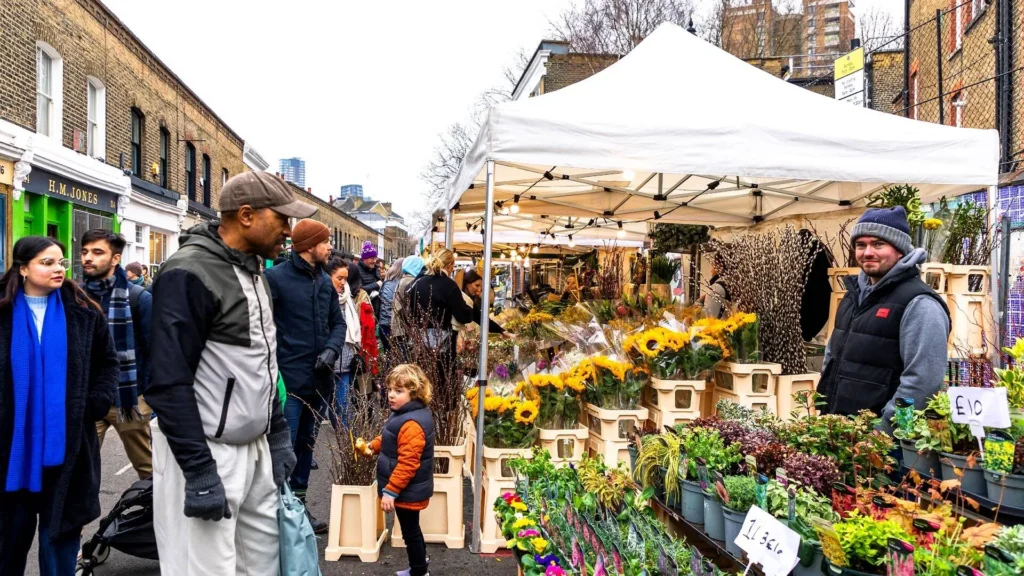
Every Sunday morning, Columbia Road transforms into London’s most fragrant and colorful market experience. This historic flower market, operating since the Victorian era, creates a weekly spectacle where the narrow East London street becomes a river of blooms, attracting gardeners, photographers, and flower lovers from across the capital.
The market’s cockney flower sellers, with their distinctive calls and genuine expertise, maintain traditions that stretch back generations while serving contemporary London’s growing interest in urban gardening and floral design. Independent shops lining the street open their doors during market hours, creating a unique combination of street market energy and boutique shopping.
Columbia Road Flower Market represents London market culture at its most charming and authentic, proving that even in an increasingly digital world, the simple pleasure of choosing fresh flowers in a bustling street market remains irreplaceable.
Conclusion: Markets as London’s Living Heritage
London’s markets represent far more than commercial spaces they function as community centres, cultural institutions, and guardians of the city’s trading heritage. Each market contributes its own character to London’s rich tapestry while serving the practical needs of residents and the curiosity of visitors.
These markets demonstrate London’s remarkable ability to honor its past while embracing change, creating spaces where tradition and innovation coexist harmoniously. Whether seeking the finest artisanal foods at Borough Market, hunting for vintage treasures at Portobello Road, or simply enjoying the Sunday morning ritual of choosing flowers at Columbia Road, London’s markets offer experiences that connect people to the city’s authentic commercial heart.
In an age of online shopping and global chains, London’s markets stand as proud defenders of human-scale commerce, personal service, and community connection. They remind us that the best shopping experiences involve not just acquiring goods but participating in the social and cultural life of the city. For both residents and visitors, London’s markets provide essential glimpses into the soul of one of the world’s great cities.
